
Everyone Electric
Decentralised, sovereign electricity for a continent of 1.4 billion — and GMF Mammoth's role in delivering it.
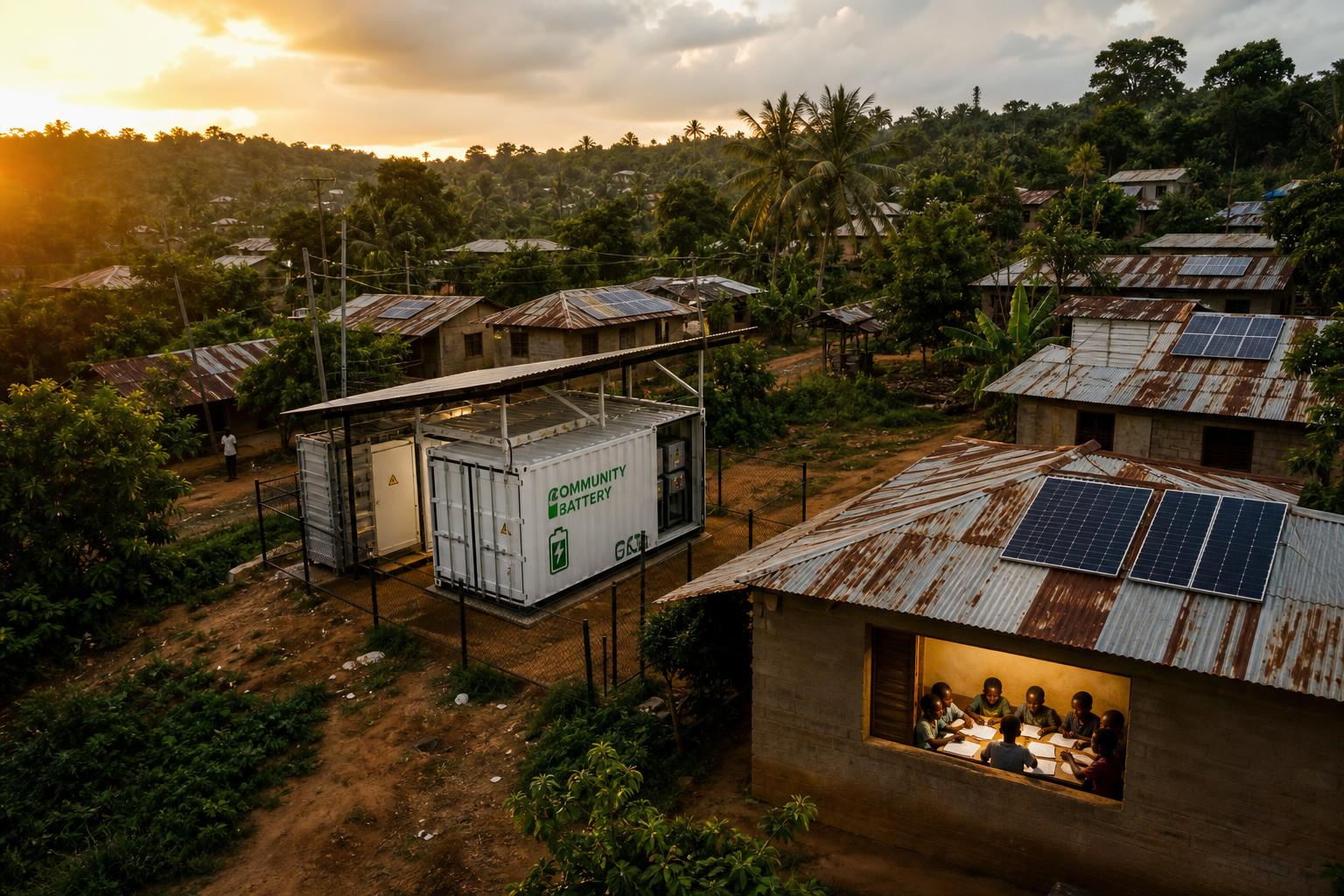
600 million reasons to decentralise.
More than 600 million Africans still live without reliable electricity access. The traditional answer — extending centralised, high-voltage transmission across vast, low-density geographies — has failed for fifty years. The IEA, the African Development Bank and the Africa Finance Corporation now agree that decentralised renewable solutions will deliver nearly half of all new electricity connections the continent needs this decade.
In a world where Africa is responsible for less than 4% of global greenhouse gas emissions, a leapfrog to clean energy is not just an environmental necessity. It is a powerful statement of climate justice, economic ambition and sovereign leadership.
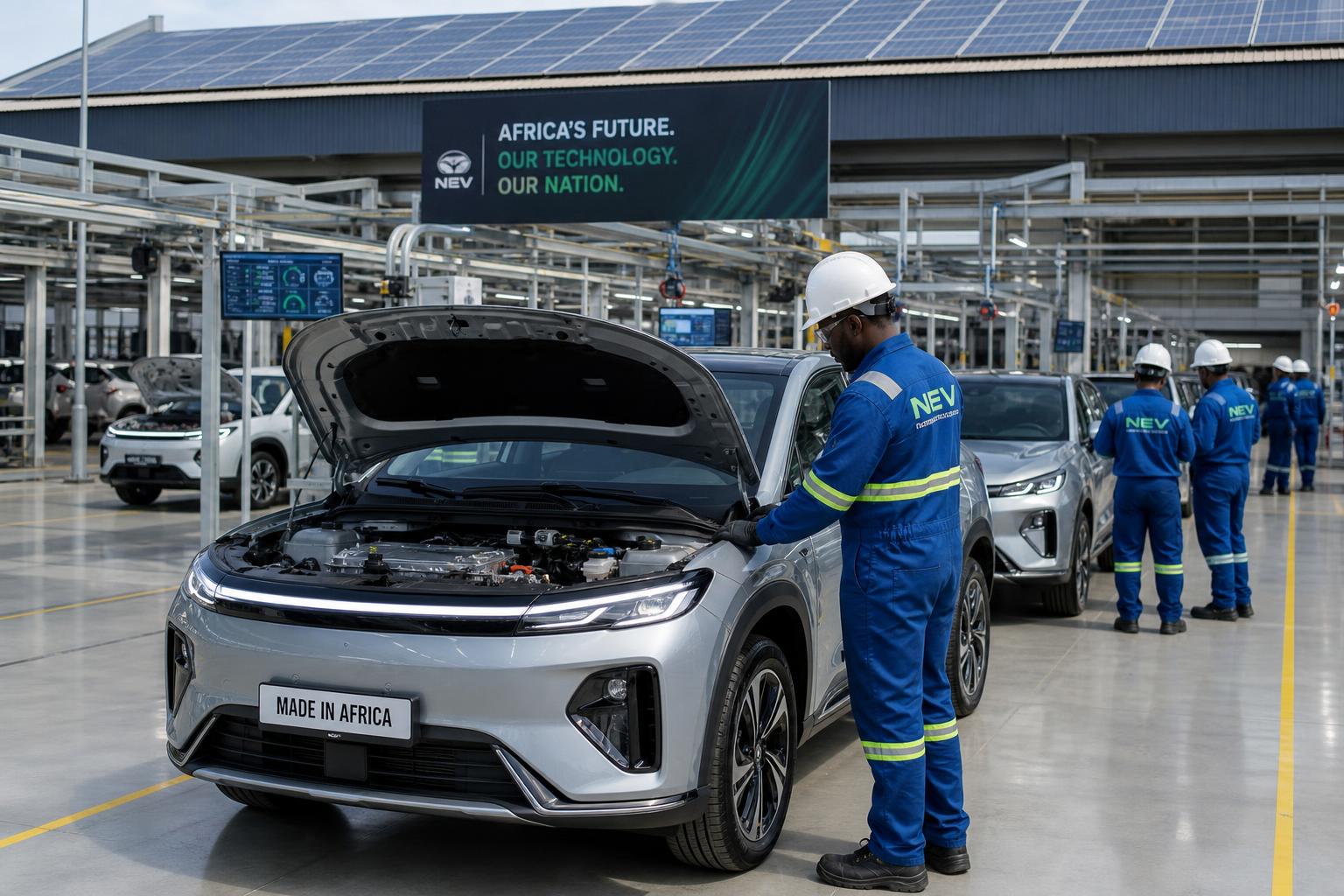
Sovereignty is the strategic frame.
Energy sovereignty has three dimensions. Resource sovereignty — the ability to power your economy from assets you own. Financial sovereignty — escaping the import bill for diesel, petrol and gas that drains continental reserves every year. Technological sovereignty — the capacity to maintain, adapt and manufacture the systems your transition depends on. Morocco's Neo Motors launching its first domestic EV in 2026 is a symbol of all three at once.
A grid that depends on a single national utility is fragile. A grid composed of thousands of interconnected solar, battery and EV-charging nodes is resilient. Decentralisation is not just a deployment tactic — it is the geopolitical posture that allows Africa to define its own energy future on its own terms.
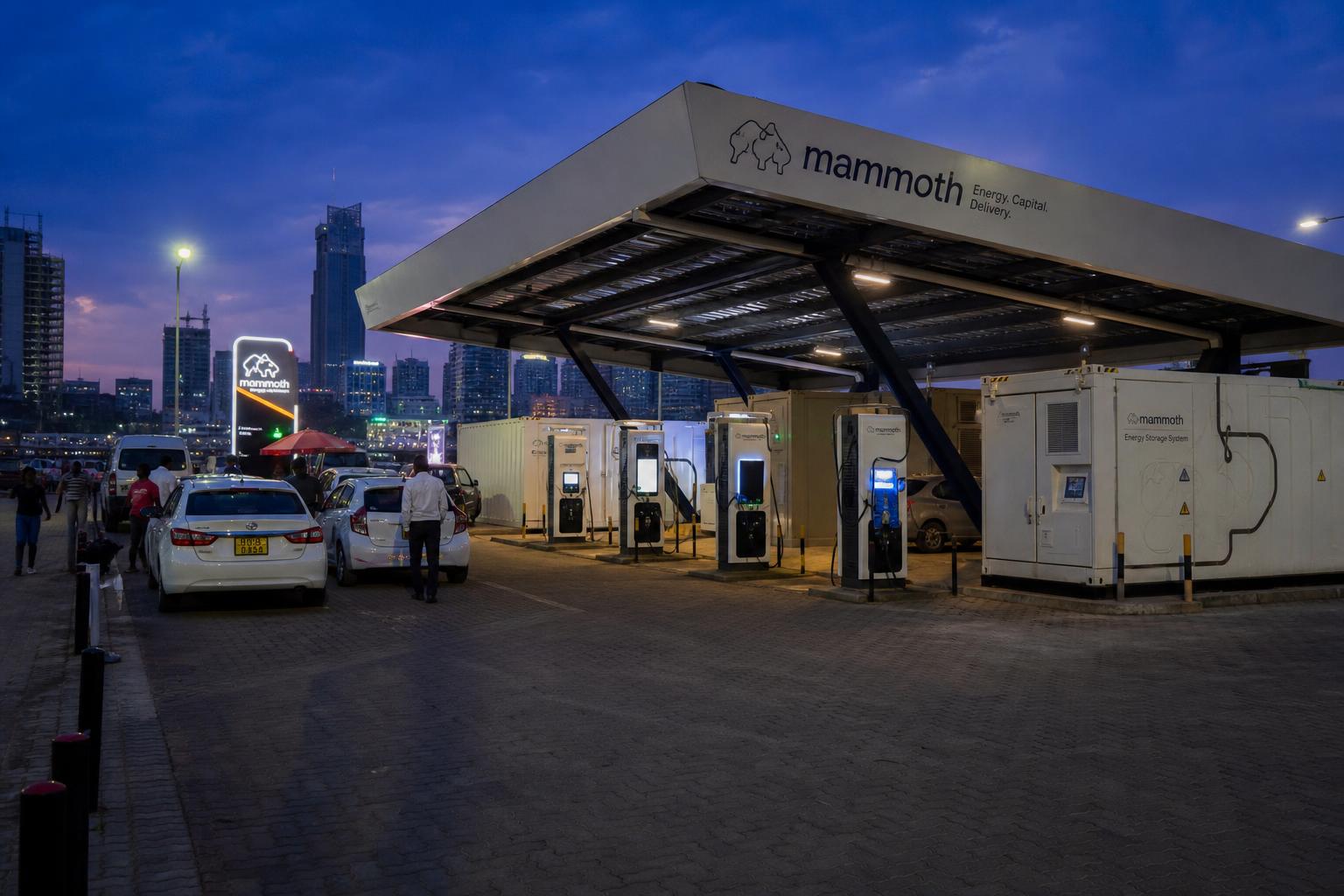
How GMF Mammoth helps Africa get there.
GMF Mammoth Energy's infrastructure is decentralised by design. Each site is a self-contained energy node — solar generation, battery storage, ultra-fast charging, smart EMS — that can operate islanded, grid-tied or somewhere in between. Aggregated across cities, corridors and rural hubs, these nodes form a distributed energy fabric that strengthens the grid rather than burdening it.
- Modular site architecture — deploy one, deploy a thousand
- Islanded operation during grid outages keeps mobility moving
- V2G-ready hardware for two-way energy flows
- Smart EMS supports DSO services, peak shaving and frequency response
- Open platform for local energy retailers and mini-grid operators
- Local partnership model with site owners, fleets and DFIs
Everyone Electric is the natural endpoint of this architecture: a continent where every boda-boda rider, every taxi fleet, every village clinic and every megacity skyscraper draws from the same distributed, sovereign, sun-powered system. Power Everywhere. Always On. Everyone Electric.