
About GMF Mammoth Energy
A new type of energy infrastructure company. Made for Africa.
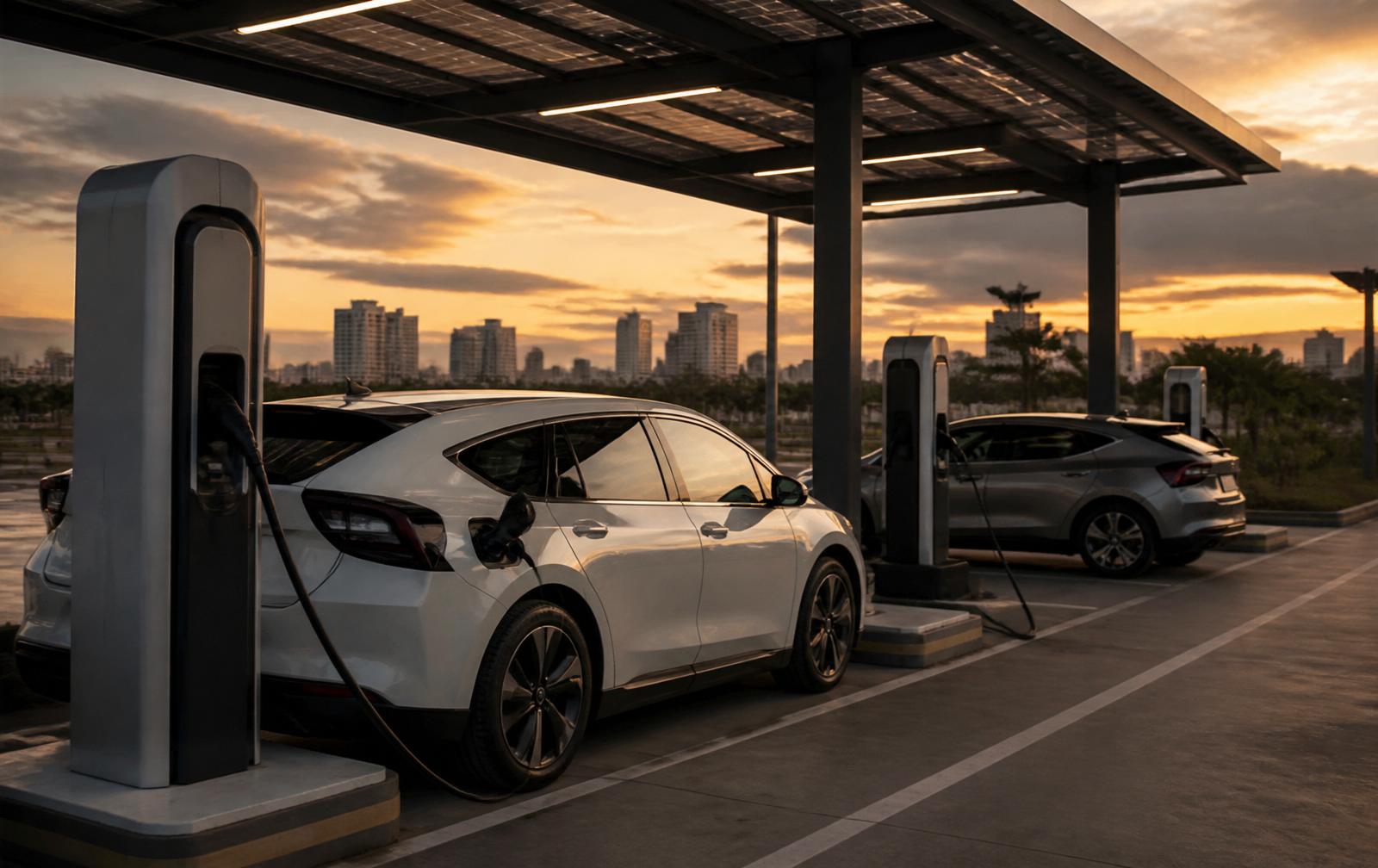
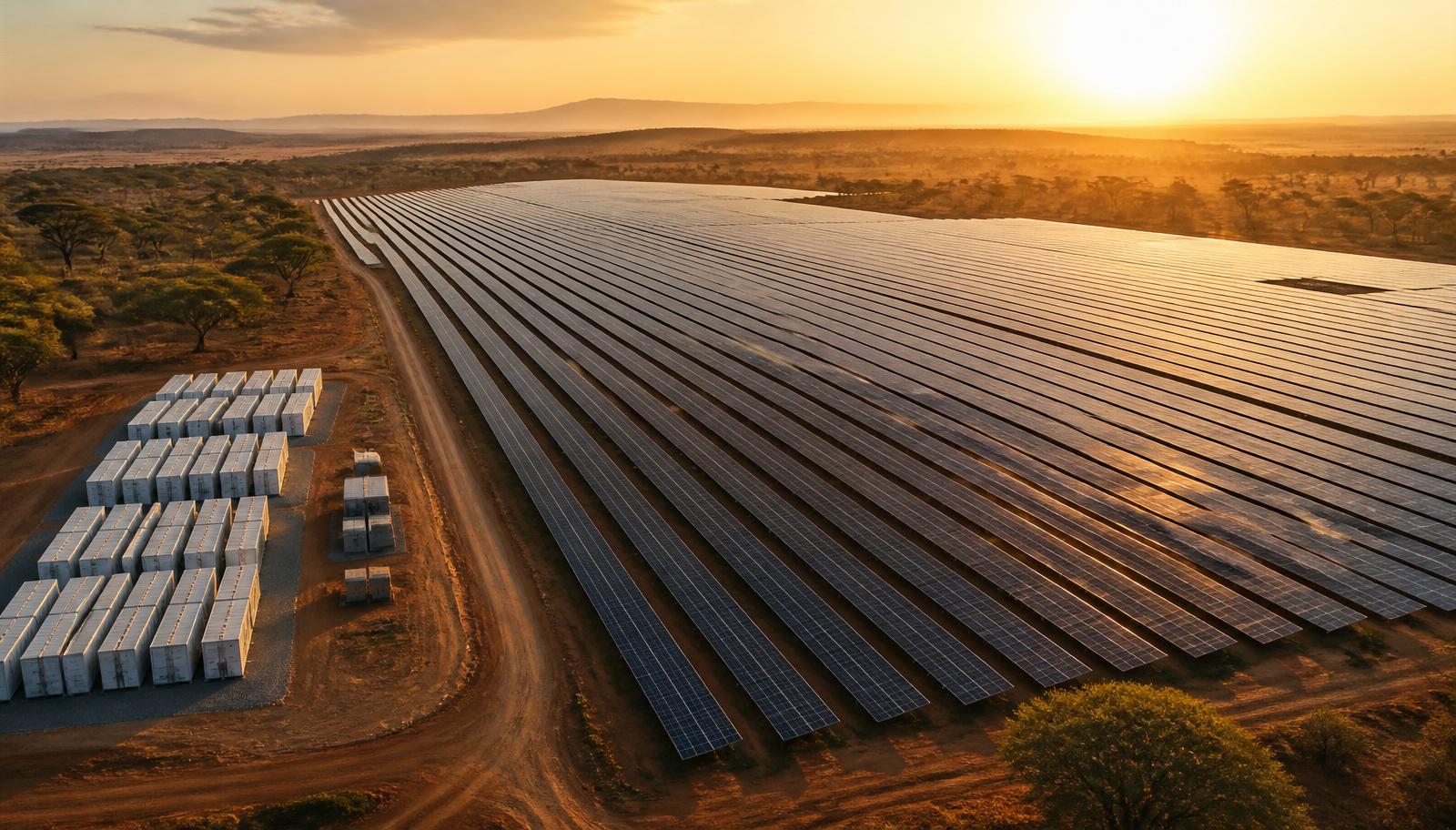
GMF Mammoth Energy is not a traditional chargepoint operator. We are building a distributed energy infrastructure platform for Africa — where every charger is 100% solar powered and net zero by design. We combine battery-buffered ultra-fast charging, flexible deployment, solar-paired energy storage, smart energy management and 800V-ready power into one deployable, fully renewable system for the continent's clean energy transition.
An infrastructure partner for Africa's energy sovereignty.
Our goal is to partner with African governments, cities, transport operators and commercial partners to accelerate electrification and electricity access without waiting years for conventional grid upgrades. Together, we are building scalable charging and clean-power infrastructure aligned with Africa's leapfrog opportunity, a continent producing less than 4% of global emissions, yet positioned to lead the next chapter of the energy transition.
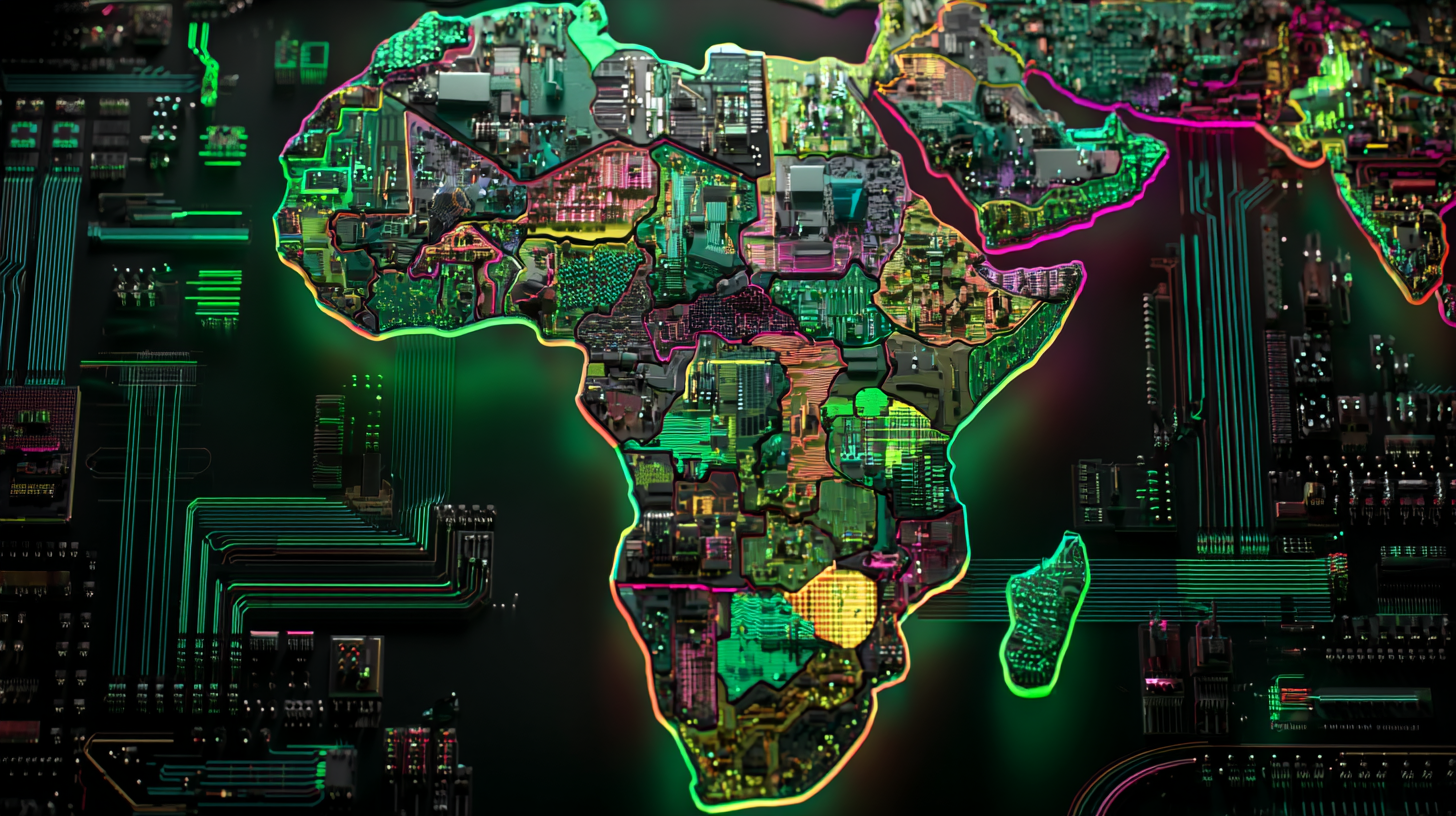
"As part of the Africa 1 Million ethos, we aim to develop 1.21 GW of innovative clean energy and infrastructure systems that optimise Africa's transition to net zero and power the next era of sovereign, productive growth and societal impact at continent scale."
A century of engineering meets next-generation mobility.
GMF Mammoth Energy was born from the union of two powerful stories. On one side, GMF — a Sustainable Development and Engineering organisation whose history stretches back to the early 1900s, when it was part of a large pioneering engineering workshop that kickstarted the Mauritius Sugar industry. Over the decades it evolved into a building services engineering and contracting firm before becoming formally established in 1989, delivering engineering services across Mauritius and regional markets. Today the GMF group operates from the UK, Mauritius, Ghana and the UAE, leveraging proven technical legacy to deliver bankable clean energy projects across Africa.
On the other side, a British EV brand with deep expertise in electric vehicle technology, battery systems and high-performance charging infrastructure. By joining forces, this 100-year-old engineering establishment and the British EV pioneer created GMF Mammoth Energy — combining a century of African infrastructure know-how with cutting-edge EV and energy-storage technology to build the continent's distributed charging and clean-power backbone.
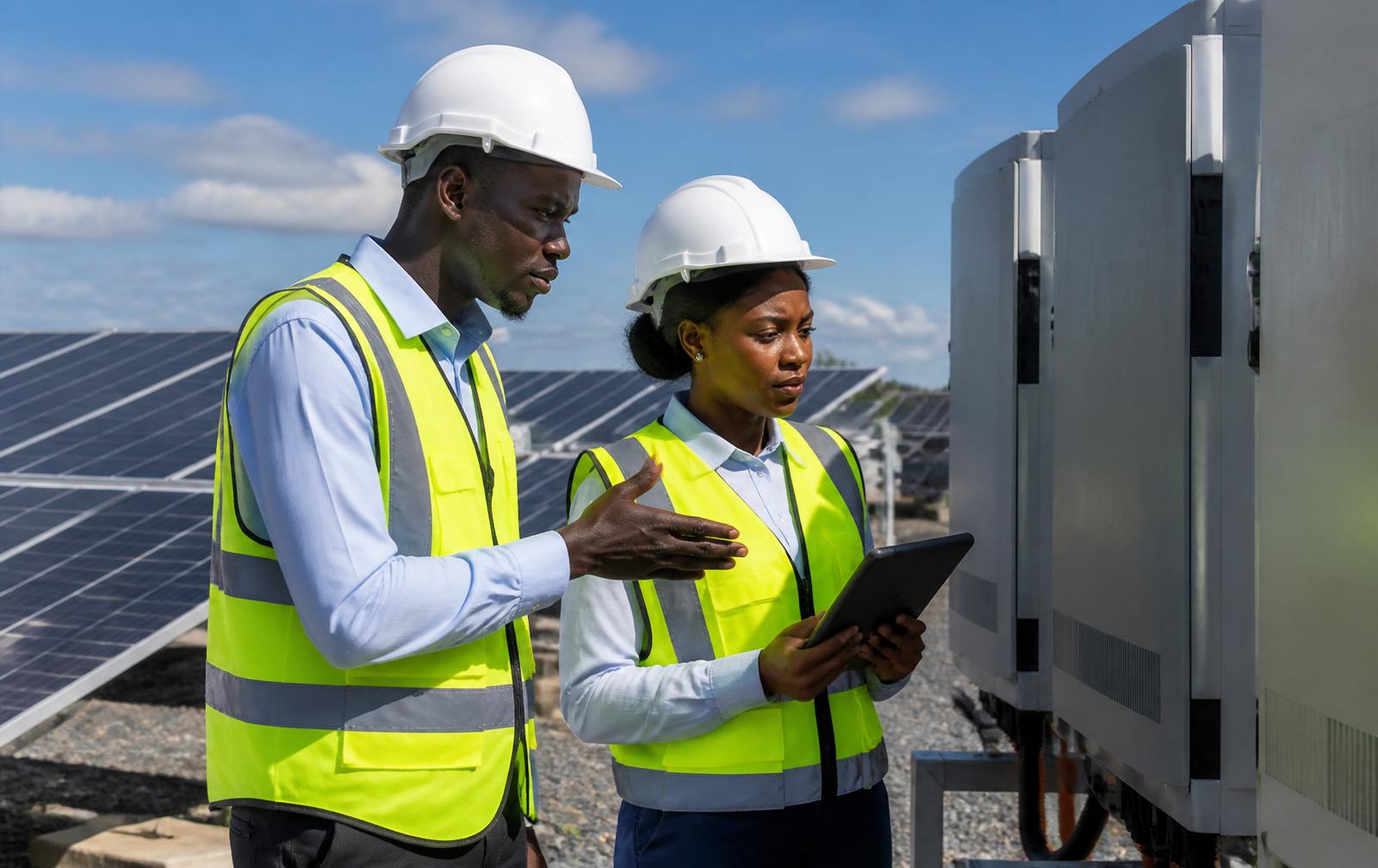
The African EV and energy transition is about infrastructure as much as vehicles.
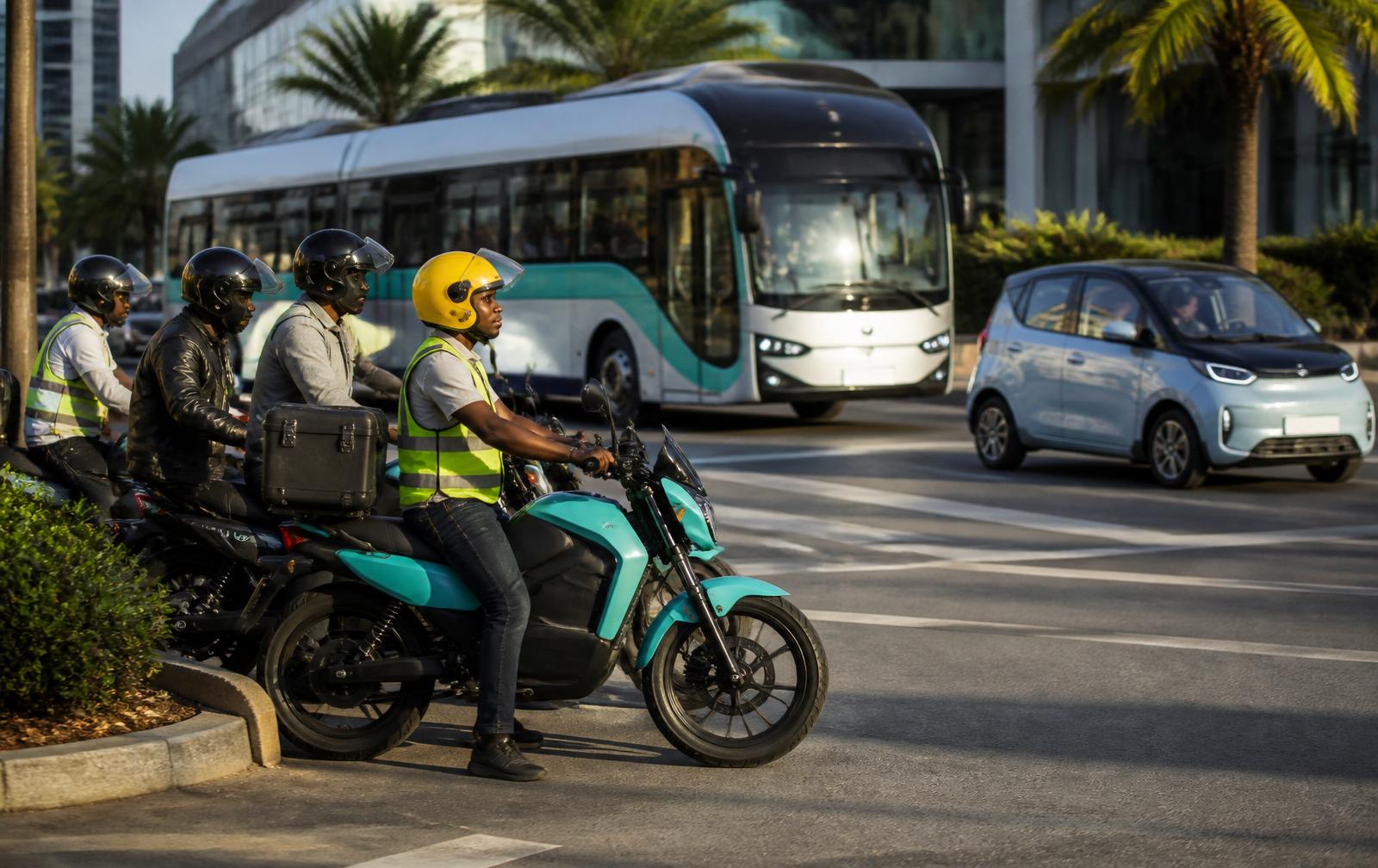
More than 600 million Africans still lack electricity access. Decentralised renewable solutions are projected to deliver nearly half of all new connections needed. To enable mass clean-mobility adoption — from boda-boda riders in Kampala to fleet operators in Johannesburg — drivers, taxi unions, governments, commercial landlords and rural communities need infrastructure that is:
- Fast to deploy, even where grids are weak
- Cost-effective to operate
- Reliable for high-utilisation users
- Compatible with next-generation EV platforms
- Independent of slow, expensive grid upgrades
- Pairable with solar and on-site generation
- Capable of supporting national energy access goals
- A vehicle for energy sovereignty, not external dependence
GMF Mammoth Energy exists to solve this infrastructure challenge for Africa.
A continent leapfrogging into the new energy system.
Africa installed 4.5 GW of solar in 2025 — a 54% year-on-year increase, the fastest of any region in the world — pushing cumulative installed capacity past 20 GW. Battery storage has grown from just 31 MWh in 2017 to over 1,641 MWh in 2024, a more than fiftyfold increase. EV sales rose from around 4,000 in 2023 to roughly 25,000 in 2025, with Egypt, Morocco, South Africa, Kenya, Nigeria, Ethiopia, Rwanda and Ghana leading the way. Ethiopia has banned ICE vehicle imports outright. Ghana offers an 8-year zero-tariff window on EVs. The continent's EV market is projected to grow at a 53.9% CAGR through 2031. This is not a marginal market. It is a global frontrunner.
One platform. Many possibilities.
- Battery-buffered ultra-fast charging
- Solar-paired and off-grid-ready deployment
- Lower-cost off-peak energy storage
- High-power charging for 800V EV platforms
- Smart energy management
- Commercial site partnerships
- Fleet, taxi, boda and e-bus charging solutions
- Decentralised clean power for under-served sites
Four advantages that compound at continental scale.
Policy tailwinds
Bold national policies — Ethiopia's ICE ban, Ghana's zero-tariff window, Nigeria's fuel subsidy reform — accelerating EV economics.
Infrastructure gap
Massive demand for reliable power and public charging across the continent — and we close it faster than grid-led works.
Storage-first model
Battery-buffered, ultra-fast charging paired with solar and off-peak strategies — built for African grid realities.
Pan-African platform
City-by-city deployment across West, East, Southern and North Africa — with multiple revenue streams baked in.
An infrastructure partner for Africa's clean energy era.
Public partners
National governments, ministries of energy and transport, cities and regulatory bodies pursuing energy access and net-zero goals.
Commercial partners
Fleet, taxi and boda operators, e-bus companies, property owners, retail, hospitality, logistics and parking sites.
Strategic partners
EV manufacturers, energy companies, DFIs, technology partners and infrastructure investors backing Africa's transition.
Built for a cleaner, sovereign African future.
GMF Mammoth Energy enables Africa to claim the right to lead the new energy system rather than inherit the old one. Our infrastructure contributes to:
Reduced transport emissions
Electrifying high-mileage taxis, two- and three-wheelers, e-buses and fleets drives measurable carbon reduction across African cities.
Cleaner urban air
Cleaner streets and improved public health in Lagos, Nairobi, Cairo, Addis Ababa and beyond.
Lower driver operating cost
Off-peak and solar-paired energy strategies lower the cost of charging for professional drivers and small operators.
Solar-first economics
On-board storage shifts demand to lower-cost solar and off-peak windows — turning Africa's abundant sunlight into mobility.
Energy sovereignty
Distributed storage strengthens national and local energy resilience — reducing dependence on diesel and imported fuels.
Aligned with the African energy agenda
Our mission aligns with Mission 300, the African Single Electricity Market (AfSEM) and national net-zero pathways across the continent.