
EV for Everyone
What electric mobility really means for Africa — and how GMF Mammoth Energy plans to deliver it.
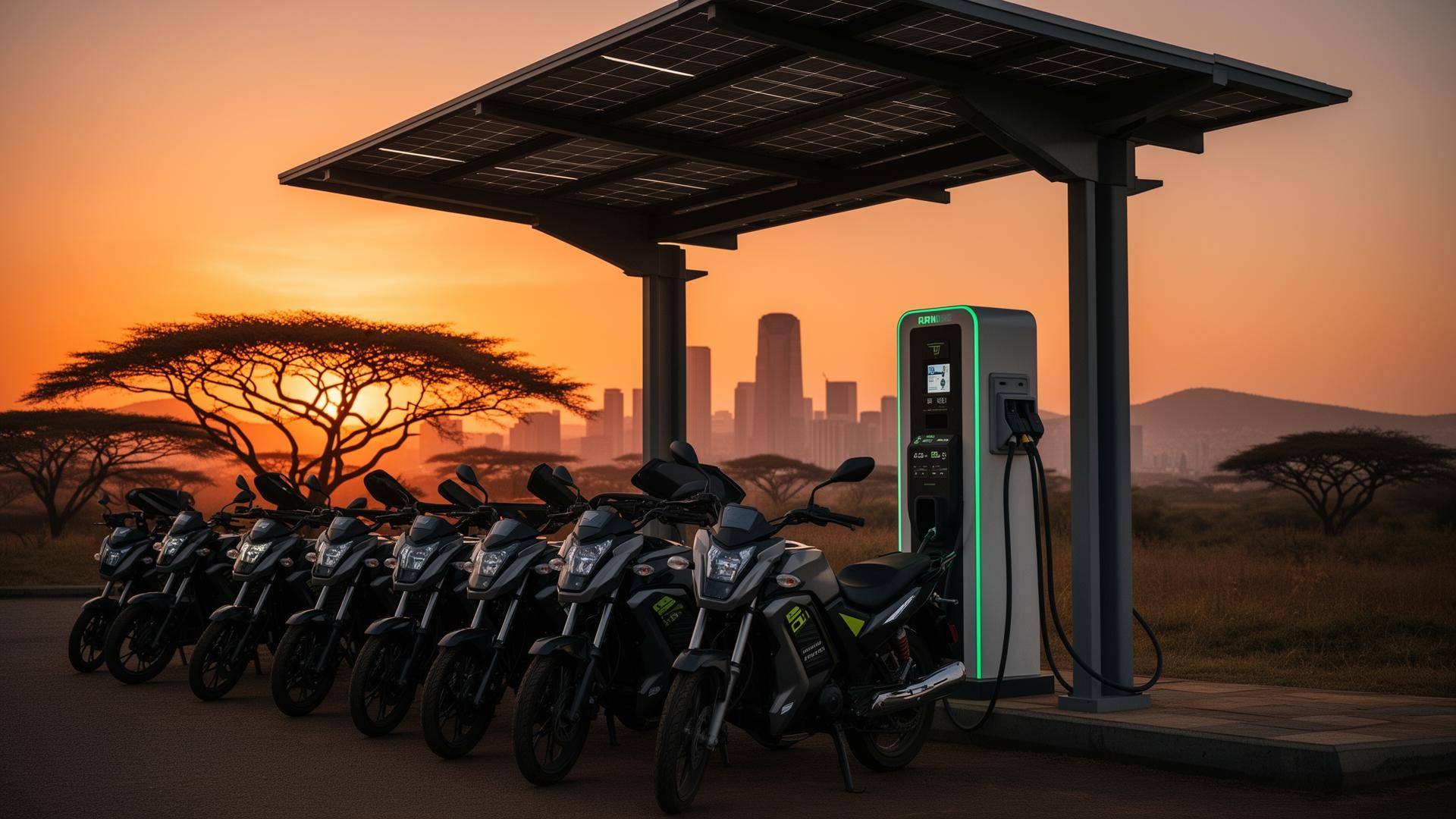
The sixfold leap is already underway.
Africa recorded just 4,000 electric car sales in 2023. In 2025, that figure crossed 25,000 — a more than sixfold increase in two years. The continent's EV market is now projected to grow at a 53.9% compound annual rate between 2026 and 2031, expanding from $0.69 billion to nearly $6 billion in five short years. This is not a fringe transition. It is the early curve of a structural shift.
EV adoption in Africa is not about replacing one car with another. It is about giving 1.4 billion people their first taste of clean, affordable, sovereign mobility.
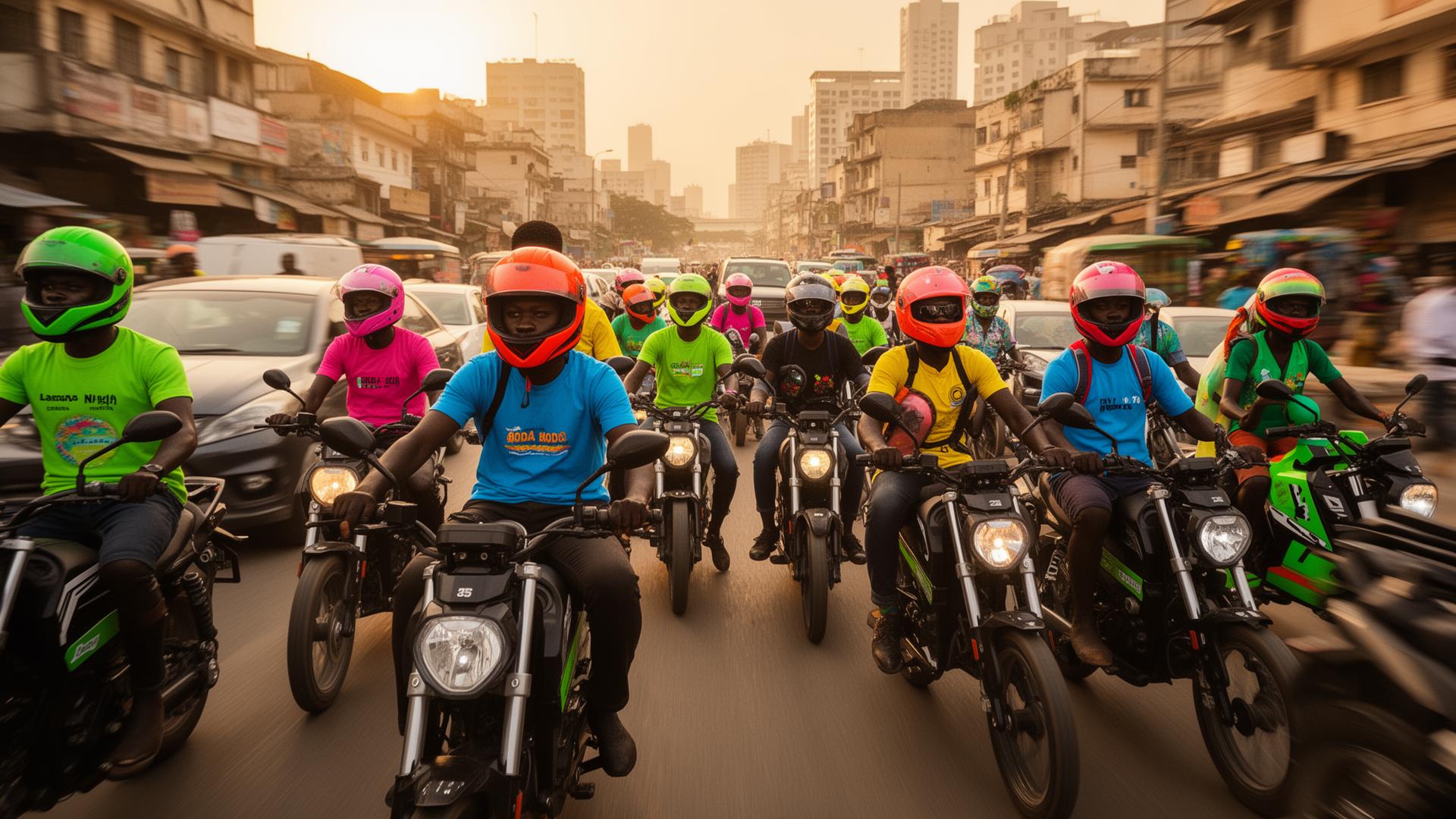
What 'EV for Everyone' really means in an African context.
In Europe, electrification looks like a swap — petrol sedan for battery sedan. In Africa, the opportunity is fundamentally different. The continent's mobility backbone is built on two and three wheelers: boda-bodas in Kampala, okadas in Lagos, tuk-tuks in Cairo, motari in Kigali. Electrifying these vehicles delivers an immediate, daily-income uplift to millions of operators while collapsing fuel imports and urban air pollution at the same time.
Ethiopia has banned new ICE imports outright. Ghana has opened an 8-year zero-tariff window on EVs. Rwanda offers VAT, import duty and withholding tax exemptions. Kenya runs reduced excise duty. Nigeria's fuel-subsidy removal has pushed petrol to ₦770–1,030 per litre — making the economics of electric two-wheelers obvious for the first time in a generation.
"EV for Everyone" is the recognition that the African market will not be unlocked by $80,000 luxury cars. It will be unlocked by boda-bodas, mini-buses, taxis and last-mile delivery fleets that need to charge fast, charge cheap and charge anywhere.
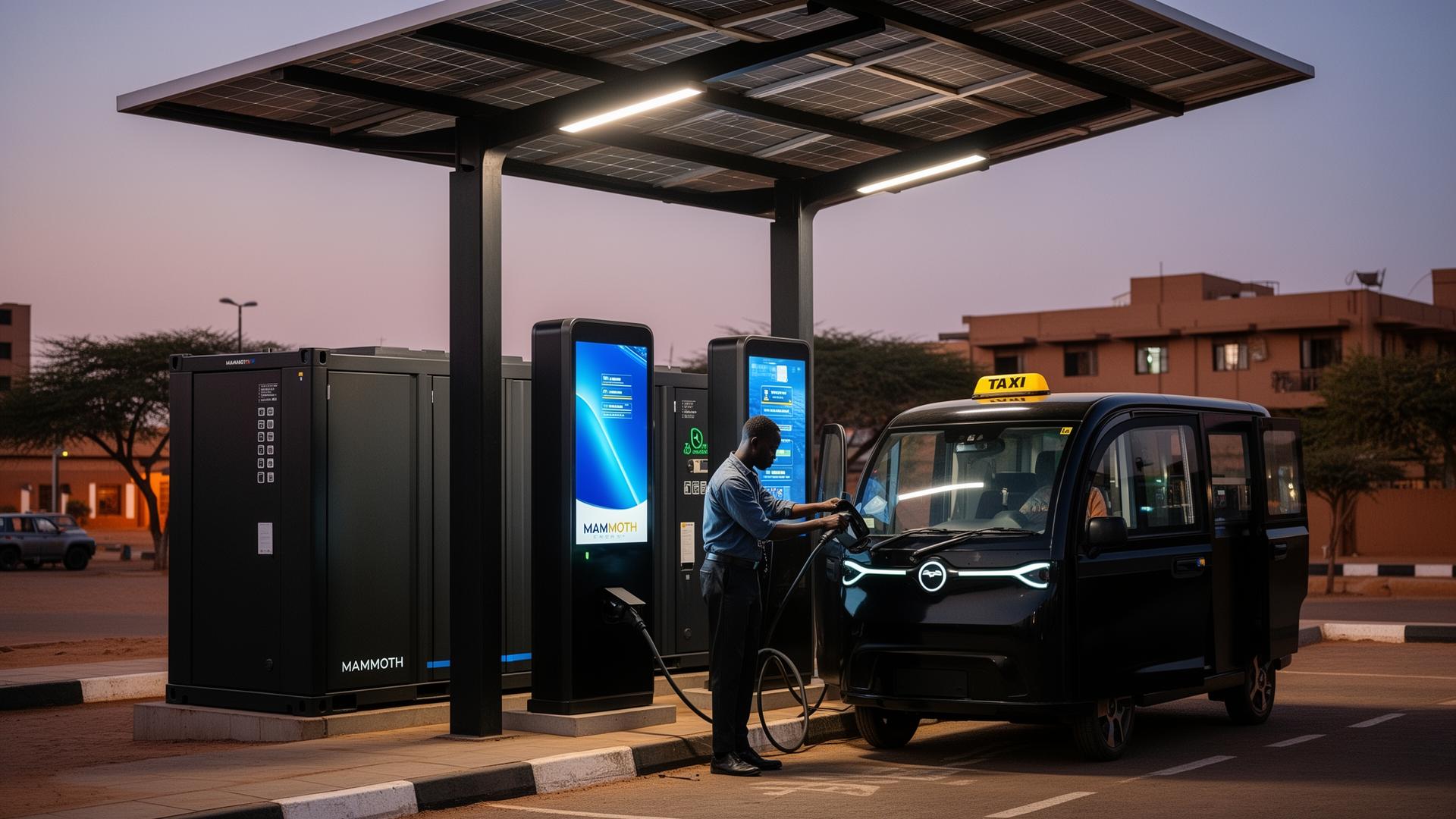
Where GMF Mammoth Energy comes in.
The single biggest constraint on African EV adoption is not vehicle supply — it is the absence of dependable, high-power charging infrastructure. Grid weakness, voltage instability and peak-load constraints have historically made fast-charging deployment economically painful.
GMF Mammoth Energy's battery-buffered ultra-fast charging system was engineered specifically for this reality. Each site decouples charging power from grid capacity by storing energy in an integrated battery, then dispatching up to 360 kW per stall on demand — even in locations where the grid can only deliver a fraction of that load.
- Up to 360 kW per stall, 800V-platform ready
- Solar-hybrid configurations for off-grid and weak-grid sites
- 32-inch integrated media displays for operator earnings and ads
- Smart EMS for peak-shaving, time-of-use optimisation and V2G readiness
- Modular containerised deployment — weeks, not years
- Designed for boda-bodas, taxis, mini-buses and passenger EVs alike
That is what "EV for Everyone" looks like in practice: not a Tesla on a Cape Town freeway, but a boda-boda driver in Nairobi swapping a five-minute top-up for a full day of fares. Power Everywhere. Always On. Everyone Electric.